A homeschooling parent can teach a lot of things. What most of them cannot do is mark against an exam board's mark scheme, or judge whether an answer that looks fine would actually get the marks.
That is the gap you are being hired into. Homeschooling families are not looking for a replacement teacher, and treating them as if they were is the fastest way to lose the work. They have usually built the education themselves, deliberately, and they are coming to you for one specific thing: exam-shaped rigour on the subjects where the stakes are high.
It is a different client, not a different teaching method. The syllabus is the same syllabus. What changes is everything around the lesson: when it happens, who you report to, and how you get paid for work that arrives in bursts rather than in a steady weekly slot.
What these families are actually buying
Ask a homeschooling parent what they want and you will usually hear a version of the same three things.
They want to know their child is on track against something external. Without a school's internal assessments, the parent has no benchmark, and that uncertainty is what pushes them to hire someone. They want the exam mechanics handled: entry requirements, which board, what the papers look like, how long the answers should be. And they want their child to have practised under conditions that resemble the real thing at least once before it counts.
Notice what is not on that list. They are not asking you to take over. The parent is often still teaching the subject day to day, and your job is to be the specialist who checks the work against the standard. Tutors who arrive and start rebuilding the family's whole approach tend to last about two months.
Build a timetable that is not a school timetable
The most common practical mistake is offering homeschooling families a weekly slot at four in the afternoon.
They do not need four in the afternoon. That time exists because school ends then, and school is exactly the constraint these families have removed. Homeschooled students are frequently available at ten in the morning, which is when you are least booked and when they are sharpest. Offering your quiet mid-morning hours to this group is the rare scheduling change that suits both sides.
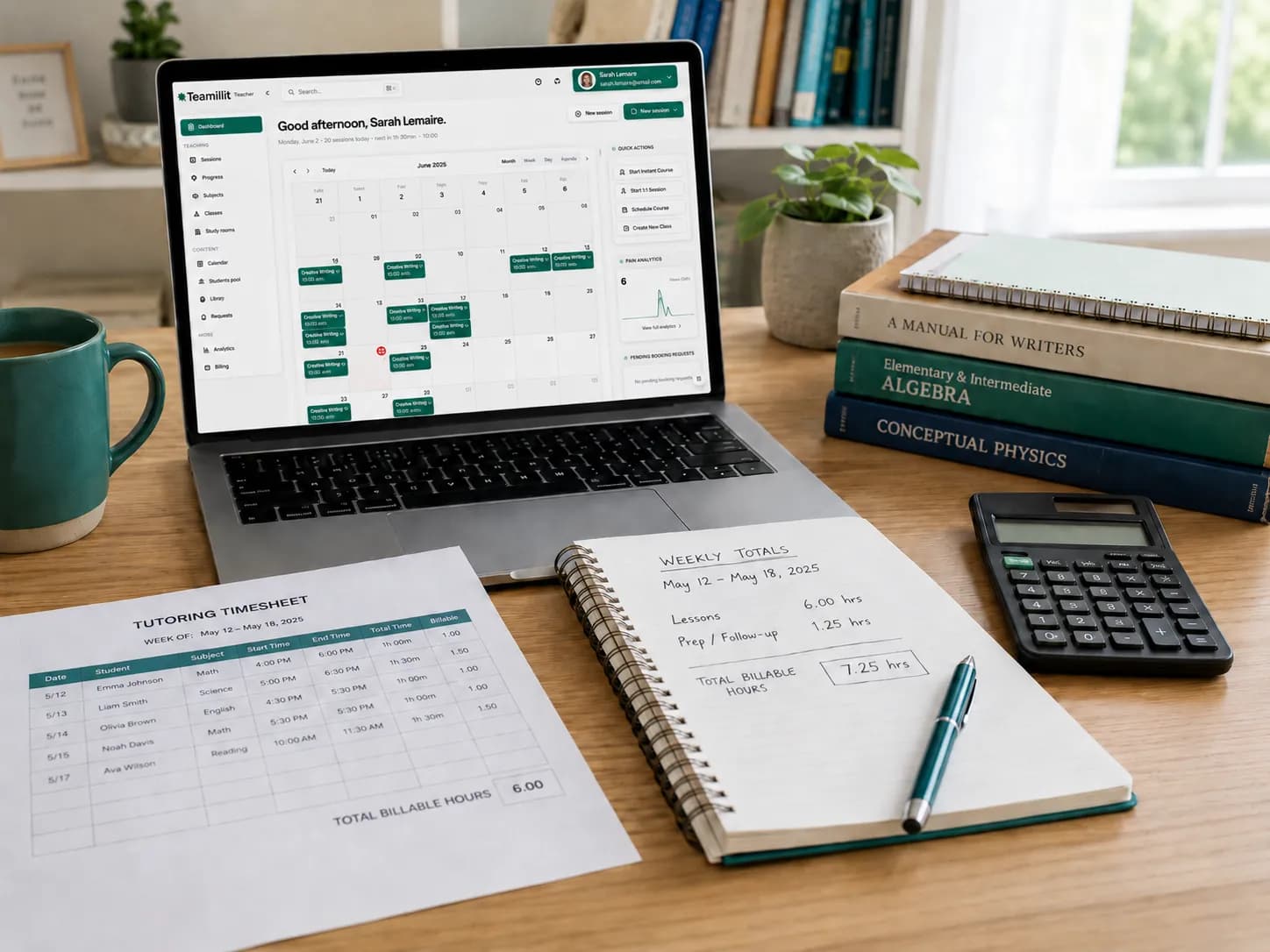
The rhythm is different too. Homeschool GCSE work tends to arrive in blocks: a run of intensive sessions before a mock, a quieter stretch, then a heavy period in the spring. Rather than trying to hold a fixed weekly slot through all of that, open specific windows and let the family book into them. A public booking page with your real availability does this better than a negotiation over messages, because the family can see what genuinely exists and take it.
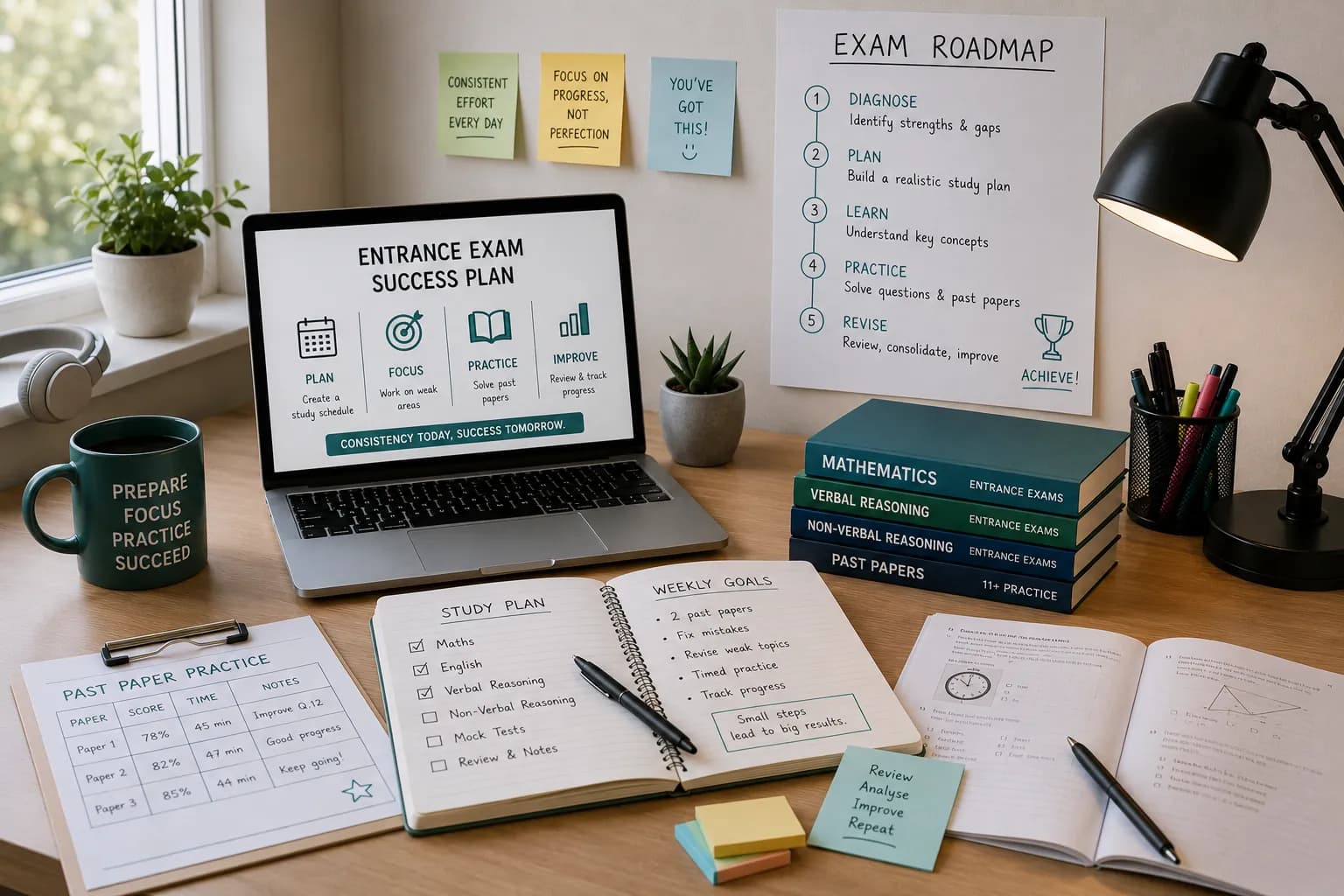
One thing worth agreeing early: the milestones. A school year supplies its own deadlines, and homeschooling families do not have them unless someone writes them down. Set the mock dates, the papers-under-timed-conditions dates, and the entry deadline together at the start, and put them in the calendar. Being the person who supplies structure to a family that has opted out of institutional structure is a large part of what they are paying for.
Your notes are the product
With a school-going student, the parent has reports, parents' evenings and a form tutor. With a homeschooled student, they have you.
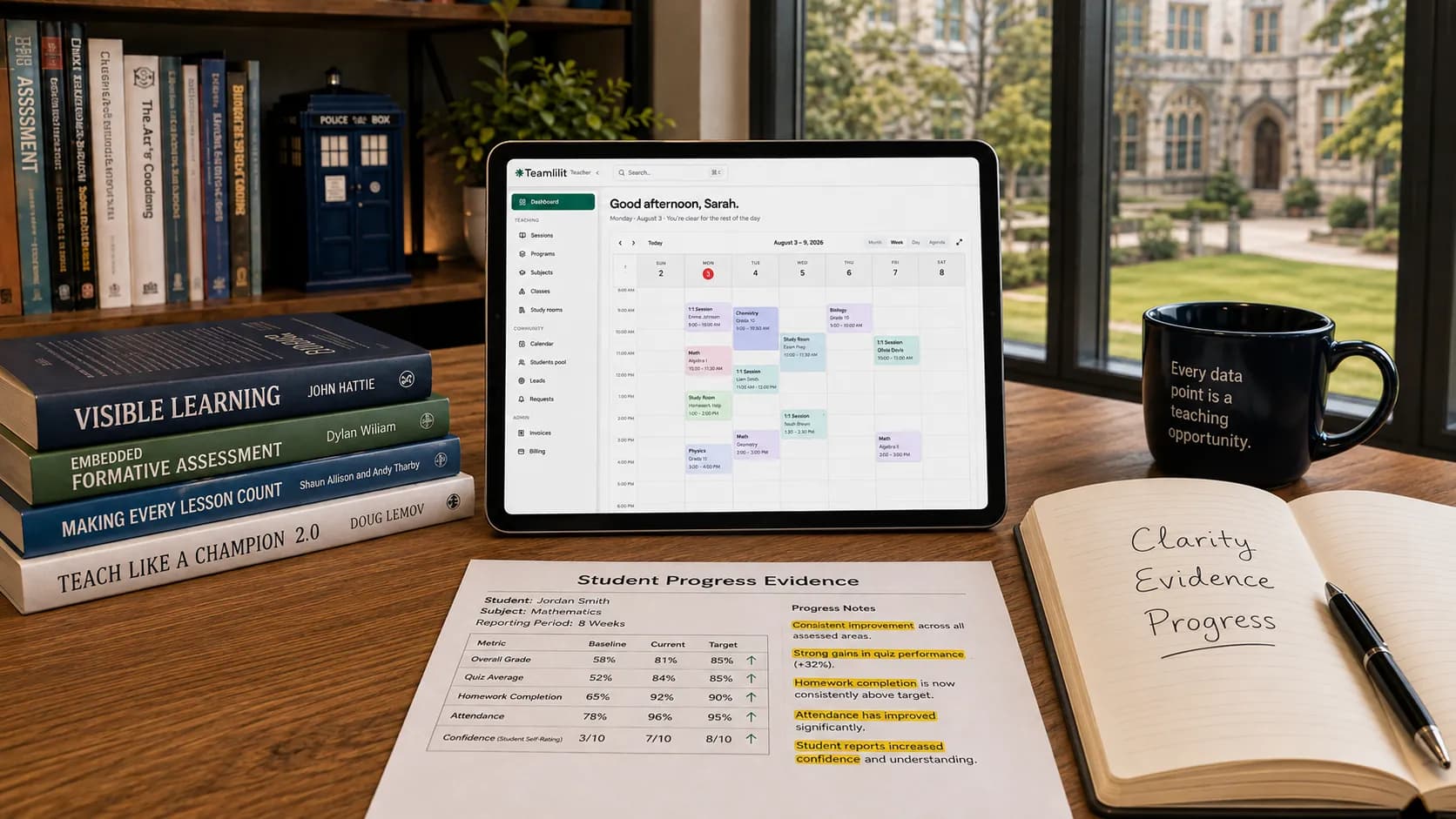
That changes what a lesson note is for. It stops being a private aide-memoire and becomes the family's only external record of progress. Written well, it is also the thing that makes you very hard to replace.
The practical standard is a short summary the same day, every time, not a long report occasionally. Parents are waiting for it in a way that school-timetable parents are not, and consistency matters more than length. If writing them up is what stops you, generating a first-pass summary from the session and editing it down takes the friction out of the habit. The rest of the discipline is covered in our guide to communicating with parents as a private tutor.
Keep the substance against the student rather than in a notebook. Structured records let you note which specification points were covered, what was set, and which weaknesses keep coming back, and they let you attach the actual resources, an uploaded past paper or a link to the board's specification, to the same record. Six months later, when a parent asks what you did about algebraic proof in November, the answer is in one place. If you would rather start from a paper system, our lesson notes template has the same fields.
Bill for projects, not just for hours
Homeschool GCSE work does not bill neatly by the hour, because it does not happen by the hour.
An invoice with ten identical lines that say "Tutoring, 1 hour" is a poor description of a six-week exam-prep block, and it invites the parent to think about your hourly rate rather than the outcome. Price and describe the block instead: a named prep package covering a set number of sessions with a stated goal, itemised so the family can see the sessions inside it. Materials belong on their own line rather than absorbed into your rate, and the same goes for anything that is genuinely a separate piece of work, like exam entry guidance.
Two mechanics make this less painful. Generate the invoice from the sessions you actually taught rather than reconstructing the month from memory, which is the approach we set out in how to invoice tutoring students based on attendance. And if a family has more than one child in the mix, which homeschooling families often do, put them on a single consolidated invoice rather than sending the same parent three separate bills in the same week.
Keep the regular part regular. If there is a standing weekly slot underneath the intensive blocks, put it on a recurring schedule and use one-off invoices for the extra cram sessions on top. If you want to see the shape before committing to a system, the weekly class invoice generator will produce one from a set of lessons.
Being findable as a homeschool GCSE tutor
This is a small enough niche that specificity wins. "GCSE tutor" puts you in a very large pile. "I prepare homeschooled students for GCSE Maths, including entry guidance and timed paper practice" puts you in a much smaller one, in front of parents who are searching for exactly that.
Say it on your profile, say it in your booking page description, and be specific about the boards you know. Homeschooling parents talk to each other far more than school-gate parents do, and the referral usually names the thing you are known for.
Frequently asked questions
How can I keep my lesson notes organized when tutoring multiple homeschool students?
Write the note against the student, not in a notebook organised by date. Homeschooling parents ask specific questions months later, so what you need is a record you can search per student: what was covered, which specification points it maps to, what was set, and what is still weak. Keep the resources in the same place as the notes rather than in a separate folder or an email thread, so a link to a past paper or an uploaded worksheet sits on the student's record where you will find it again. If you tutor several homeschooled students at once, tag them so you can pull up that group in one view instead of scrolling a list that mixes them in with your school-timetable students.
What's the best way to handle billing and communication with homeschooling parents?
Bill in blocks that match how the work actually happens, and send the summary before the invoice. Homeschooling parents commission intensive prep periods rather than a steady weekly hour, so an invoice listing ten identical lines is a worse description of the work than one that names the block, itemises the sessions inside it, and lists any materials separately. On communication, the rule is that the parent should never have to ask how it went: a short summary sent the same day, consistently, does more for retention than a long report sent occasionally. Both jobs get easier when the invoice is generated from the sessions you actually taught rather than typed up from memory.
Teamlilit keeps the scheduling, the student records, the lesson notes and the invoicing in one place, so the admin around a homeschool GCSE student stays small enough to ignore. Start a 14-day free trial, no card required.